
Silver plating on busbars
We silver plate copper busbars, and aluminium busbars after a zincate pre-treatment, all over or on the joint areas only, to the thickness on your drawing.
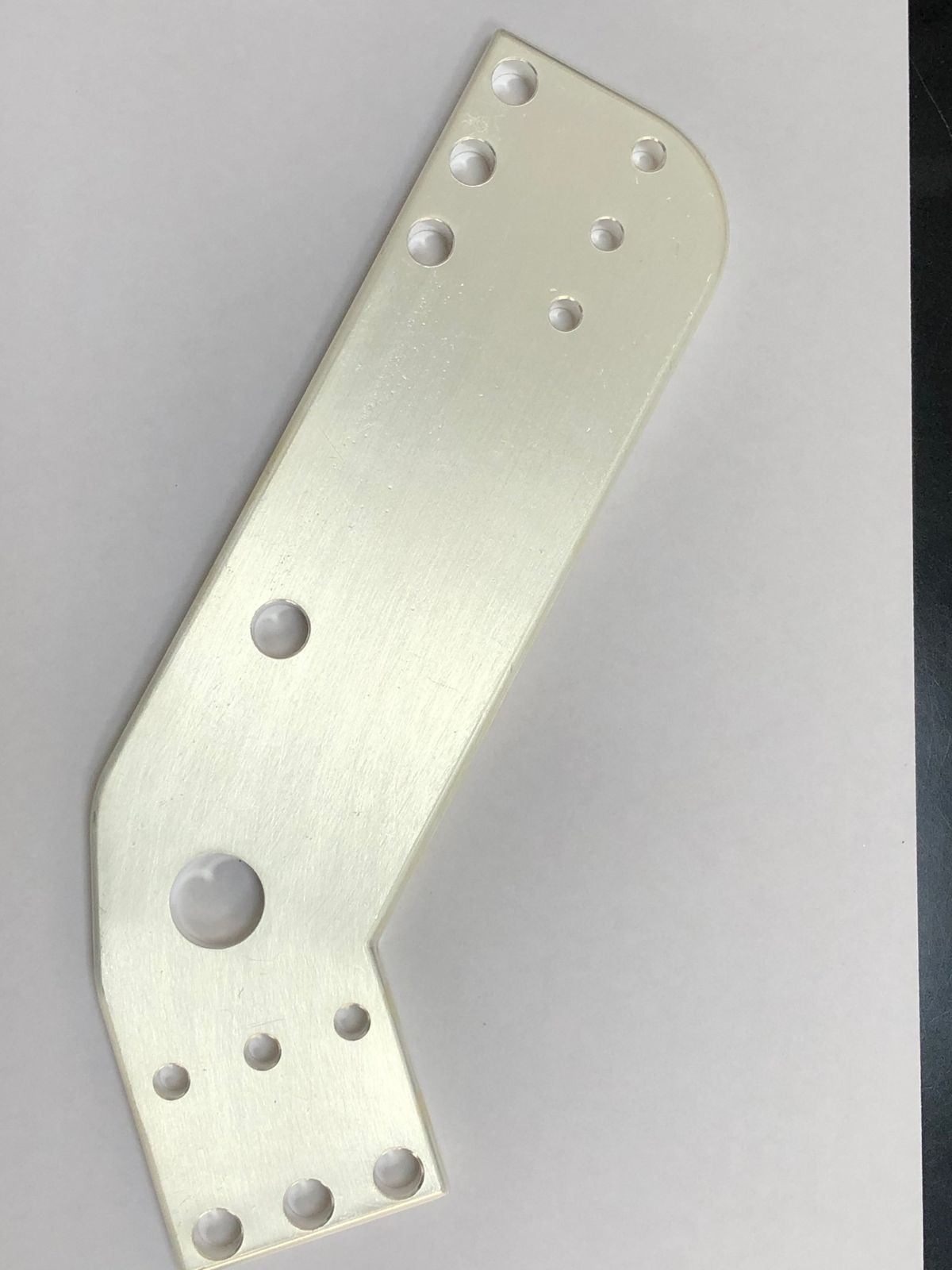
- Part
- Busbar
- Finish
- Silver
Why busbars are silver plated
A busbar carries current from one part of a panel or switchgear to another through bolted joints. The resistance of each joint decides how hot it runs. Bare copper oxidises in air, and the oxide film raises the resistance of a joint over the years. Aluminium forms its oxide even faster.
Silver keeps joint resistance low and stable. It conducts better than any other metal, and the thin tarnish film that silver forms in air is broken through by the clamping force of a bolted joint. Tarnish matters more on low-force sliding contacts and on parts checked for appearance; see tarnish protection below.
All over, or the joint areas only
A busbar can be silver plated all over, or only where it makes contact: the joint faces and the bolt holes. Plating the joint areas only saves silver on long bars. We mask the areas that are to stay bare. Mark the areas to plate on your drawing, or tell us that the whole bar is to be plated.
Matte, semi-bright or bright
| Finish | ASTM B700 grade | On busbars |
|---|---|---|
| Matte | Grade A | The usual choice, where low contact resistance matters more than appearance |
| Semi-bright | Grade D | Some lustre, and softer than bright silver |
| Bright | Grade B | Where appearance is checked, or a harder surface is wanted |
Copper and aluminium busbars
Copper. Silver is plated over a thin strike so that it bonds to the copper. On busbars that run hot, a nickel underlayer slows copper diffusing up into the silver. If your drawing does not specify an underlayer, we will ask before plating.
Aluminium. Aluminium is covered in a hard oxide film that plating does not bond to. Aluminium busbars go through a zincate pre-treatment, then copper or electroless nickel, and then silver. See plating on aluminium for how the preparation works.
Silver or tin
Tin costs less than silver and is common on busbars and terminals. Silver is chosen where joints carry higher currents or run hotter, and where the lowest joint resistance is needed. We plate both; see tin plating.
Tarnish protection
Plated busbars often wait in stores or in an assembled panel before they go into service. We apply a chromate-free anti-tarnish treatment after plating when you ask for it, checked by the IS 1771 ammonium sulphide test and by a 10% sodium sulphide dip. Both tests are described on the silver plating page.
Thickness and inspection
Silver thickness is plated to your drawing, usually as a minimum in µm on the joint faces. We measure it in-house by XRF, which does not damage the part, and supply an XRF thickness report with each batch. Adhesion tests, such as bend, tape and thermal shock, are run as your drawing or specification requires; see quality and testing.
What to send with your enquiry
- Drawing, with the copper grade or aluminium alloy
- Bar size: length, width and thickness, and any bends
- Areas to plate: all over, or the joint faces and holes only
- Minimum silver thickness in µm on the joint faces
- Matte, semi-bright or bright, or the ASTM B700 type, grade and class; see silver plating to ASTM B700
- Underlayer, if your drawing specifies one
- Whether anti-tarnish treatment is needed
- Quantity per lot and expected yearly volume
Email your drawing for a quote
Attach the drawing and include as much of this list as you can. The more you send, the fewer questions we need to ask before quoting.
- Drawing: PDF, DWG, DXF or STEP
- Base material and grade
- Finish, and thickness in µm
- Quantity per lot and yearly volume
- Areas to mask, if any
- Standard or customer specification